

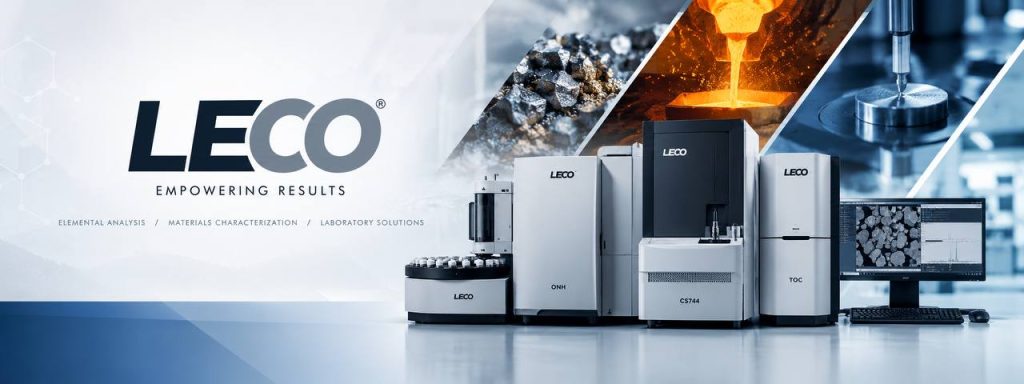
شرکت آمریکایی LECO Corporation فعالیت خود را در سال ۱۹۳۶ با توسعه تجهیزات آنالیز کربن برای صنعت فولاد آغاز کرد. در آن زمان، تعیین سریع و دقیق ترکیب شیمیایی فولاد یکی از نیازهای مهم صنایع متالورژی بود و LECO با تمرکز بر این نیاز، فعالیت خود را در زمینه طراحی و ساخت تجهیزات تخصصی اندازهگیری شکل داد.
مسیر توسعه شرکت از همان ابتدا با مسائل واقعی صنعت و آزمایشگاه ارتباط داشت. به تدریج، دامنه فعالیت LECO از اندازهگیری کربن فراتر رفت و فناوریهای جدیدی برای تعیین عناصر مختلف، بررسی ویژگی های مواد و تحلیل ترکیبات شیمیایی به محصولات آن افزوده شد. این توسعه در طول دهههای بعد، LECO را به تولید کنندهای بین المللی در حوزه تجهیزات آنالیز آزمایشگاهی تبدیل کرد.
امروزه LECO مجموعهای متنوع از دستگاه های آنالیز عنصری، تجهیزات آنالیز حرارتی، سامانه های طیف سنجی جرمی و کروماتوگرافی و تجهیزات متالوگرافی را طراحی و تولید می کند. محصولات این شرکت در آزمایشگاه های کنترل کیفیت، صنایع فلزی و معدنی، مراکز تحقیقاتی و مجموعههای صنعتی مورد استفاده قرار میگیرند؛ جایی که شناخت دقیق ترکیب و ویژگی های مواد، بخشی از فرآیند تولید، ارزیابی کیفیت و تصمیم گیری فنی است.
حوزه فعالیت و رویکرد فنی
تمرکز LECO بر توسعه ابزارهایی است که اندازهگیری و بررسی مواد را با دقت، تکرارپذیری و قابلیت اطمینان مناسب برای کاربردهای تخصصی امکانپذیر میکنند. در این حوزه، عملکرد دستگاه تنها یکی از عوامل تعیین کننده است؛ روش اندازه گیری، نوع نمونه، شرایط آزمون، آماده سازی نمونه و کیفیت دادههای حاصل نیز در نتیجه نهایی نقش دارند.
به همین دلیل، توسعه تجهیزات تحلیلی مستلزم شناخت هم زمان اصول شیمی تجزیه، فناوری های اندازه گیری، مهندسی دستگاه و نیازهای عملیاتی آزمایشگاه است. محصولات LECO در بستر همین نیازها توسعه یافتهاند و طیف متنوعی از روشهای آنالیز را برای کاربردهای فلزی، معدنی، آلی و شیمیایی پوشش میدهند.
در طول فعالیت شرکت، فناوریهای احتراق و ذوب، سامانههای آشکارسازی، تجهیزات کنترل شده اندازهگیری و نرمافزارهای تخصصی، جایگاه مهمی در توسعه محصولات داشته اند. هدف از به کارگیری این فناوریها، فراهم کردن امکان اندازه گیری متناسب با نوع ماده، محدوده غلظت عناصر و الزامات روش آزمون است.
سبد محصولات و فناوریهای تخصصی
آنالیز عنصری (Elemental Analysis)
آنالیز عنصری از مهم ترین حوزههای فعالیت LECO است. تجهیزات این بخش برای تعیین کمی عناصر مشخص در نمونههای فلزی، معدنی، آلی و صنعتی طراحی شدهاند و در بسیاری از فرآیند های کنترل کیفیت و پژوهش کاربرد دارند.
دستگاه های تعیین کربن و گوگرد (CS) و سامانههای تعیین اکسیژن، نیتروژن و هیدروژن (ONH) از گروههای شناخته شده محصولات این حوزه هستند. این تجهیزات در صنایع فولاد، ریختهگری، متالورژی و تولید آلیاژ برای بررسی ترکیب شیمیایی مواد و کنترل کیفیت محصولات مورد استفاده قرار میگیرند.
اندازه گیری عناصر در مقادیر کم نیز در بسیاری از این کاربردها اهمیت دارد؛ زیرا غلظت برخی عناصر میتواند بر خواص مکانیکی، رفتار متالورژیکی و کیفیت نهایی مواد تأثیر بگذارد. انتخاب روش مناسب و دستیابی به نتایج قابل اعتماد، ازاین رو بخش مهمی از فرآیند ارزیابی مواد محسوب میشود.
LECO همچنین تجهیزاتی برای آنالیز عناصر در مواد آلی و نمونه های مرتبط با صنایع غذایی، کشاورزی و انرژی ارائه می کند. تعیین کربن، هیدروژن، نیتروژن و گوگرد و اندازهگیری نیتروژن برای برآورد پروتئین، از جمله کاربردهای این گروه از تجهیزات است.
آنالیز حرارتی (Thermal Analysis)
تجهیزات آنالیز حرارتی LECO برای بررسی برخی ویژگیهای نمونه در شرایط کنترل شده دمایی به کار میروند. تعیین رطوبت، خاکستر و مواد فرار، بسته به روش آزمون و نوع دستگاه، از جمله کاربردهای این حوزه است.
این اندازه گیریها در ارزیابی مواد اولیه، بررسی کیفیت سوخت ها، تحلیل مواد معدنی و کنترل برخی فرآیندهای صنعتی اهمیت دارند. نتایج حاصل می توانند در کنار سایر داده های آزمایشگاهی، شناخت دقیق تری از ترکیب و ویژگیهای نمونه فراهم کنند.
آنالیز کربن آلی کل (Total Organic Carbon – TOC)
اندازه گیری کربن آلی کل برای تعیین مقدار کربن موجود در ترکیبات آلی نمونه کاربرد دارد. این شاخص در مطالعات خاک و مواد زمین شناختی و برخی کاربردهای صنعتی و محیط زیستی اهمیت دارد.
تجهیزات مرتبط با این حوزه، متناسب با نوع نمونه و روش اندازه گیری، امکان بررسی محتوای کربن آلی و مقایسه نتایج در فرآیندهای کنترل کیفیت یا مطالعات تحقیقاتی را فراهم می کنند.
طیفسنجی جرمی و کروماتوگرافی (Mass Spectrometry & Chromatography)
LECO در زمینه طیف سنجی جرمی و فناوری های مرتبط با کروماتوگرافی نیز فعالیت دارد.
فناوری طیف سنجی جرمی زمان پرواز (Time-of-Flight Mass Spectrometry) از حوزه های تخصصی فعالیت شرکت است. این فناوری، در ترکیب با روشهای جداسازی مناسب، میتواند برای بررسی مخلوط های پیچیده و شناسایی ترکیبات در نمونه های مختلف مورد استفاده قرار گیرد.
کاربردهای این تجهیزات، بسته به پیکربندی و روش تحلیلی، حوزه هایی مانند شیمی، علوم زیستی، صنایع غذایی و پژوهشهای تخصصی را شامل میشود.
متالوگرافی و بررسی ویژگیهای مواد (Metallography & Material Characterization)
بخش دیگری از محصولات LECO به آماده سازی نمونه و بررسی ویژگی های مواد اختصاص دارد. این گروه شامل تجهیزات تخصصی برای آمادهسازی متالوگرافی، از جمله برش، مانت، سایش و پولیش نمونه و نیز تجهیزات سختی سنجی است.
کیفیت آماده سازی نمونه در بررسی ساختار مواد اهمیت زیادی دارد؛ زیرا نتیجه بررسی میکروسکوپی و ارزیابی برخی ویژگی های ماده به نحوه آماده سازی و شرایط آزمون وابسته است. این تجهیزات در آزمایشگاه های متالورژی، کنترل کیفیت و مراکز تحقیقاتی برای بررسی مواد فلزی و مهندسی به کار میروند.
توسعه مهندسی و ظرفیت تولید
LECO در سنت جوزف، ایالت میشیگان آمریکا، مستقر است و فعالیت های طراحی، تولید و توسعه فناوری های آزمایشگاهی را دنبال میکند. توسعه محصولات در این شرکت بر دانش فنی، مهندسی تجهیزات و شناخت نیازهای تخصصی کاربران استوار است.
در تجهیزات تحلیلی، حفظ عملکرد مناسب دستگاه به طراحی اولیه محدود نمیشود. انتخاب روش آزمون، نصب صحیح، آموزش کاربر، نگهداری و استفاده از تجهیزات متناسب با مشخصات نمونه نیز در کیفیت عملکرد آزمایشگاه مؤثرند. ازاین رو، خدمات فنی و پشتیبانی کاربردی بخشی مهم از چرخه استفاده از تجهیزات تخصصی محسوب میشوند.
این ملاحظات در آزمایشگاه های صنعتی اهمیت ویژهای دارند؛ جایی که نتایج اندازهگیری میتوانند مبنای پذیرش مواد اولیه، کنترل فرآیند تولید یا ارزیابی محصول نهایی قرار گیرند.
حضور جهانی و جایگاه صنعتی
LECO از زمان آغاز فعالیت خود در سال ۱۹۳۶، دامنه محصولات و بازارهای هدفش را به تدریج توسعه داده است. گسترش فعالیت بینالمللی شرکت از سال ۱۹۶۷ و با ایجاد نخستین حضور خارجی آن در آلمان آغاز شد و در ادامه، شبکه فعالیت های جهانی آن گسترش یافت.
بر اساس اطلاعات منتشرشده در وبسایت رسمی شرکت، شبکه بینالمللی LECO شامل دفاتر و شرکت های وابسته در موقعیت های مختلف جهان است و بازارهای نزدیک به ۲۰۰ کشور و قلمرو را پوشش میدهد.
گستره کاربرد محصولات این شرکت، آزمایشگاه های صنایع فولاد و متالورژی، مراکز کنترل کیفیت، صنایع معدنی و انرژی، آزمایشگاه های کشاورزی و غذایی و مراکز تحقیقاتی را در بر میگیرد. تنوع این کاربردها، نشان دهنده حضور فناوریهای LECO در بخش های مختلف آنالیز مواد و بررسی ترکیبات شیمیایی است.
کیفیت و اعتباربخشی
در تجهیزات آنالیز آزمایشگاهی، اعتبار نتایج به عملکرد دستگاه، روش آزمون، کالیبراسیون، کنترل کیفیت و قابلیت ردیابی اندازهگیریها وابسته است. استانداردهای مدیریت کیفیت و اعتباربخشی تخصصی، هر یک بخشی از الزامات لازم برای اطمینان از عملکرد صحیح فرآیندهای مرتبط را پوشش میدهند.
LECO در حوزههای مشخص فعالیت خود از چارچوب های مدیریت کیفیت و اعتباربخشی بهره می گیرد. از جمله این چارچوب ها میتوان به موارد زیر اشاره کرد:
ISO 9001 — مدیریت کیفیت
استاندارد ISO 9001 الزامات نظام مدیریت کیفیت را تعیین میکند و بر مدیریت فرآیندها، بهبود مستمر و ایجاد سازو کارهای منظم برای حفظ کیفیت فعالیتهای سازمانی تمرکز دارد.
ISO/IEC 17025 — صلاحیت آزمایشگاههای آزمون و کالیبراسیون
این استاندارد الزامات صلاحیت فنی و عملکرد آزمایشگاه های آزمون و کالیبراسیون را در بر میگیرد. اعتباربخشی بر اساس آن، به دامنه مشخصی از فعالیتها و روشهای مورد تأیید مربوط است.
ISO 17034 — صلاحیت تولیدکنندگان مواد مرجع
استاندارد ISO 17034 به صلاحیت تولید کنندگان مواد مرجع مربوط میشود و موضوعاتی مانند همگنی، پایداری و تعیین مقادیر مشخصه مواد مرجع را در چارچوب الزامات مرتبط پوشش می دهد.
در کنار این موارد، روشهای آزمون مورد استفاده در کاربردهای مختلف ممکن است با استانداردهای منتشرشده توسط سازمانهایی مانند ASTM و ISO مرتبط باشند. تعیین انطباق هر دستگاه یا روش با یک استاندارد مشخص، مستلزم بررسی مدل، روش آزمون، نوع نمونه و دامنه کاربرد است.
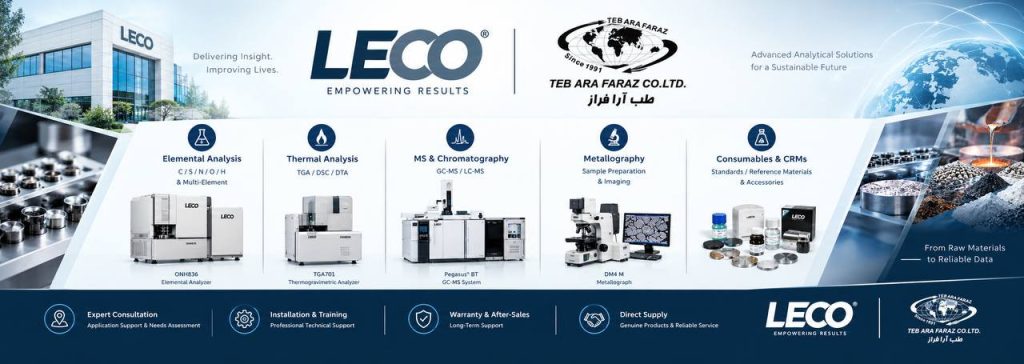
رویکرد تخصصی طب آرا فراز در تأمین و پشتیبانی تجهیزات LECO
فراتر از تأمین تجهیزات
تجهیزات آنالیز عنصری LECO در حوزه هایی به کار گرفته می شوند که دقت اندازه گیری، صحت نتایج و پایداری عملکرد دستگاه، مستقیماً بر کیفیت فرآیند های آزمایشگاهی و تصمیم گیری های صنعتی تأثیر می گذارند. در چنین شرایطی، تأمین دستگاه به تنهایی پاسخ گوی تمام نیازهای یک مرکز آزمایشگاهی نیست. انتخاب صحیح تجهیزات، تناسب روش آنالیز با نوع نمونه و الزامات کاری، شناخت ملاحظات فنی و دسترسی به خدمات تخصصی، همگی در دستیابی به عملکرد مورد انتظار نقش دارند. رویکرد شرکت طب آرا فراز در ارتباط با تجهیزات LECO بر همین مبنا شکل گرفته است. فعالیت شرکت صرفاً به واردات و تأمین دستگاه محدود نمیشود؛ بلکه از مرحله بررسی نیازهای مرکز و انتخاب راهکار مناسب آغاز شده و با ارائه خدمات فنی و پشتیبانی تخصصی در مسیر بهره برداری از تجهیزات ادامه می یابد. از این منظر، تأمین تجهیزات بخشی از یک فرآیند تخصصی گسترده تر است؛ فرآیندی که در آن، تناسب انتخاب اولیه، آمادگی مرکز برای بهره برداری و امکان حفظ عملکرد مناسب دستگاه در طول زمان اهمیت دارد.
واحد علمی؛ از شناخت نیاز تا انتخاب تخصصی تجهیزات
انتخاب تجهیزات آنالیز عنصری، به ویژه در کاربردهای حساس صنعتی و آزمایشگاهی، مستلزم بررسی دقیق نیازهای تحلیلی و شرایط واقعی استفاده است. نوع ماده، عناصر مورد اندازه گیری، محدوده غلظت، الزامات دقت و تکرارپذیری، حجم نمونه ها و روش آزمون، از جمله عواملی هستند که در تعیین تجهیزات مناسب باید مورد توجه قرار گیرند. واحد علمی شرکت طب آرا فراز با تمرکز بر این ملاحظات، نقش مشاورهای و تخصصی در فرآیند انتخاب تجهیزات و اقلام مصرفی مرتبط ایفا می کند. هدف این واحد، شناخت نیاز واقعی هر مرکز و کمک به تطبیق آن با قابلیتهای فنی تجهیزات LECO است؛ به گونهای که انتخاب نهایی، بر مبنای الزامات علمی و عملیاتی مرکز انجام شود.
این رویکرد به مراکز آزمایشگاهی کمک میکند پیش از خرید، ابعاد فنی تصمیم خود را بررسی کنند و با شناخت روشن تری از قابلیت ها، محدودیت ها و الزامات بهره برداری، نسبت به انتخاب تجهیزات اقدام کنند. در نگاه طب آرا فراز، مشاوره علمی بخشی جدایی ناپذیر از فرآیند تأمین است، نه اقدامی جانبی که صرفاً پیش از خرید انجام شود.
واحد فنی؛ پشتیبانی تخصصی در تمام مراحل بهرهبرداری
عملکرد مطلوب تجهیزات پیشرفته آزمایشگاهی، علاوه بر انتخاب صحیح، به نصب اصولی، آماده سازی مناسب، آموزش کاربران، نگهداری منظم و رسیدگی تخصصی به مسائل فنی وابسته است. واحد فنی طب آرا فراز با تمرکز بر این الزامات، خدمات مرتبط با بهرهبرداری و پشتیبانی تجهیزات را در چارچوب امکانات فنی، نوع دستگاه و شرایط خدمات ارائه میکند.
۱. نصب و راهاندازی تجهیزات
بررسی شرایط نصب، آماده سازی اولیه و انجام مراحل راهاندازی متناسب با الزامات فنی دستگاه، با هدف فراهم کردن شرایط مناسب برای آغاز بهره برداری.
۲. آموزش اپراتورها و کاربران
آموزش اصول کار با دستگاه، مراحل انجام آزمون، الزامات آمادهسازی نمونه، رعایت نکات ایمنی و آشنایی با دستورالعمل های بهره برداری برای استفاده صحیح و مؤثر از تجهیزات.
۳. بررسی عملکرد و ارزیابی اولیه
بررسی وضعیت عملکرد دستگاه پس از نصب یا در مراحل موردنیاز بهره برداری، با توجه به الزامات فنی و روشهای آزمون مرتبط، برای اطمینان از فراهمبودن شرایط مناسب انجام آنالیز.
۴. نگهداری پیشگیرانه و سرویسهای دورهای
رسیدگی برنامهریزیشده به وضعیت دستگاه و اجزای مرتبط، با هدف کاهش احتمال بروز اختلال، پیشگیری از توقفهای قابل اجتناب و حفظ شرایط مناسب بهرهبرداری.
۵. عیبیابی و پیگیری مشکلات فنی
بررسی مشکلات گزارش شده، شناسایی عوامل احتمالی اختلال و پیگیری اقدامات اصلاحی متناسب با ماهیت مسئله و امکانات فنی قابل ارائه.
۶. تأمین قطعات یدکی و اقلام مصرفی تخصصی
شناسایی و تأمین قطعات و مواد مصرفی متناسب با مدل دستگاه و کاربرد موردنظر، با توجه به مشخصات فنی و الزامات عملکردی تجهیزات.
۷. پشتیبانی فنی و مشاوره در بهرهبرداری
پاسخگویی به مسائل فنی کاربران، راهنمایی درباره شرایط صحیح استفاده و پیگیری نیازهای مرتبط با عملکرد دستگاه در طول دوره بهرهبرداری.
ارائه هر یک از این خدمات، متناسب با مدل دستگاه، نوع نیاز، شرایط فنی و دامنه خدمات قابل ارائه تعیین میشود.
قطعات و مواد مصرفی؛ بخشی از الزامات دقت و پایداری آنالیز
در تجهیزات آنالیز عنصری، قطعات یدکی، مواد مصرفی و ملزومات آزمون، صرفاً اقلام جانبی نیستند؛ انتخاب و استفاده صحیح از آنها میتواند بر کیفیت اندازه گیری، تکرارپذیری نتایج و پایداری عملکرد دستگاه اثرگذار باشد.
طب آرا فراز در تأمین این اقلام، تناسب با مدل دستگاه، مشخصات فنی و کاربرد تحلیلی را مورد توجه قرار میدهد.

LECO CORPORATION
A Legacy of Analytical Innovation
Founded in 1936 in the United States, LECO Corporation began its operations by developing equipment for carbon determination in the steel industry. At the time, the rapid and accurate determination of steel composition was an important requirement for metallurgical manufacturing. By addressing this need, LECO established its expertise in the design and manufacture of specialized analytical instruments.
From its early years, the company’s development was closely connected to practical industrial and laboratory challenges. Over time, LECO expanded beyond carbon determination, introducing technologies for measuring a wider range of elements, investigating material properties, and analyzing chemical composition. This continued evolution has established LECO as an internationally recognized manufacturer of analytical laboratory instrumentation.
Today, LECO develops and manufactures a broad portfolio of products, including elemental analyzers, thermal analysis instruments, total organic carbon (TOC) analyzers, mass spectrometry and chromatography systems, and metallographic preparation and hardness testing equipment. Its products serve quality control laboratories, metal and mining industries, research institutions, and industrial organizations where accurate knowledge of material composition and properties is essential to manufacturing, quality assessment, and technical decision-making.
Technical Focus and Analytical Approach
LECO focuses on developing instruments that enable precise, repeatable, and reliable measurements for specialized applications. In analytical laboratories, instrument performance is only one component of the overall measurement process. The analytical method, sample characteristics, test conditions, sample preparation, and quality of the resulting data also contribute to the validity of the final results.
The development of advanced analytical instrumentation therefore requires an integrated understanding of analytical chemistry, measurement technologies, instrument engineering, and the operational requirements of laboratories. LECO’s product portfolio addresses these needs through a range of analytical methods designed for metallic, mineral, organic, and other chemical applications.
Combustion and fusion technologies, detection systems, controlled measurement processes, and specialized software have played important roles in the evolution of LECO’s products. These technologies support analytical procedures tailored to the material under investigation, the concentration range of the target elements, and the requirements of the applicable test method.
Product Portfolio and Analytical Technologies
Elemental Analysis
Elemental analysis is one of LECO’s principal areas of expertise. Instruments in this category are designed for the quantitative determination of specific elements in metallic, mineral, organic, and industrial samples, supporting a wide range of research and quality control applications.
Carbon and sulfur analyzers (CS), together with oxygen, nitrogen, and hydrogen analyzers (ONH), are among the company’s established product categories. These instruments are used in steelmaking, foundries, metallurgy, and alloy production to assess chemical composition and support material quality control.
The determination of elements at low concentration levels is particularly important in many of these applications, as even small variations in elemental content can influence mechanical properties, metallurgical behavior, and the final quality of a material. Selecting an appropriate analytical method and obtaining dependable results are therefore essential parts of material evaluation.
LECO also offers instruments for elemental analysis of organic materials and samples associated with the food, agriculture, and energy sectors. Applications include the determination of carbon, hydrogen, nitrogen, and sulfur, as well as nitrogen measurement for protein estimation in suitable sample types.
Thermal Analysis.
LECO’s thermal analysis instruments are used to investigate selected sample characteristics under controlled temperature conditions. Depending on the instrument and analytical method, applications may include the determination of moisture, ash, and volatile matter. These measurements support raw material assessment, fuel characterization, mineral analysis, and quality control in selected industrial processes. When interpreted alongside other laboratory data, thermal analysis results can provide a more comprehensive understanding of sample composition and behavior.
Total Organic Carbon (TOC) Analysis
Total organic carbon analysis is used to determine the amount of carbon associated with organic compounds in a sample. TOC measurement is relevant to soil and geological studies, as well as selected industrial and environmental applications.
Depending on sample characteristics and the measurement method, TOC instruments provide a means of assessing organic carbon content and comparing analytical results in research and quality control programs.
Mass Spectrometry and Chromatography
LECO also operates in the fields of mass spectrometry and related chromatography technologies. These systems support the separation, identification, and investigation of complex chemical mixtures.
Time-of-Flight Mass Spectrometry (TOF-MS) is one of the specialized technologies associated with LECO’s analytical portfolio. When combined with appropriate separation techniques, this technology can support the investigation of complex mixtures and the identification of compounds in a variety of samples.
Depending on system configuration and analytical methodology, applications may extend across chemistry, life sciences, food analysis, and specialized research.
Metallography and Material Characterization
Another important part of LECO’s portfolio is dedicated to material preparation and characterization. This category includes equipment for metallographic sample preparation, such as cutting, mounting, grinding, and polishing, as well as hardness testing instruments.
Proper sample preparation is essential to reliable microstructural examination and material evaluation. Microscopic observations and certain material measurements depend significantly on preparation quality and test conditions.
LECO’s metallographic and hardness testing equipment is used in metallurgy laboratories, quality control departments, and research facilities working with metals and engineering materials.
Engineering Development and Manufacturing Capabilities
LECO is headquartered in St. Joseph, Michigan, USA, where it maintains its operations in analytical instrumentation and related technologies. Product development draws on engineering expertise, instrument design, and an understanding of the specialized requirements of laboratory users.
The performance of analytical equipment depends on more than its original design. Appropriate method selection, correct installation, operator training, routine maintenance, and the use of equipment within its specified operating conditions all influence laboratory performance. Technical services and application-related support are therefore important considerations throughout the working life of specialized analytical instruments.
These factors are particularly significant in industrial laboratories, where analytical results may inform raw material acceptance, production process control, and final product evaluation.
International Presence and Industrial Applications
Since its establishment in 1936, LECO has progressively expanded its product portfolio and international reach. According to the company’s published history, its international expansion began in 1967 with the establishment of its first overseas presence in Germany, followed by further development of its global operations.
Information published on LECO’s official website describes an international network of offices and affiliated companies serving markets across nearly 200 countries and territories.
Quality Management and Standards
In analytical laboratories, the reliability of results depends on instrument performance, the analytical method, calibration, quality control, and measurement traceability. Quality management systems and technical accreditation frameworks address different aspects of maintaining reliable and consistent laboratory operations.
Relevant frameworks include:
ISO 9001 — Quality Management Systems
ISO 9001 specifies requirements for quality management systems, focusing on process management, continual improvement, and structured mechanisms for maintaining organizational quality.
ISO/IEC 17025 — Competence of Testing and Calibration Laboratories
ISO/IEC 17025 establishes requirements for the technical competence and consistent operation of testing and calibration laboratories. Accreditation applies to a defined scope of activities and approved methods.
ISO 17034 — Competence of Reference Material Producers
ISO 17034 addresses the competence of reference material producers, including requirements relating to homogeneity, stability, and the characterization of reference materials.
Depending on the application, analytical methods may also refer to standards published by organizations such as ASTM and ISO. Any claim of compliance by a specific instrument or analytical method should be assessed against the relevant model, test procedure, sample type, and applicable scope.
TEB ARA FARAZ
Specialized Supply and Technical Support for LECO Equipment
Beyond Equipment Supply
LECO analytical instruments are used in applications where measurement accuracy, result reliability, and instrument performance directly influence laboratory quality and industrial decision-making. In these environments, supplying an instrument alone does not address every requirement of a laboratory. Correct equipment selection, compatibility with the analytical method and sample type, an understanding of technical requirements, and access to appropriate specialist services all contribute to achieving the intended results.
TEB ARA FARAZ approaches the supply and support of LECO equipment with these requirements in mind. Its role extends beyond equipment sourcing and importation, beginning with an assessment of laboratory needs and the selection of suitable solutions, and continuing through relevant technical services and support during equipment operation. From this perspective, equipment supply forms part of a broader technical process in which initial selection, laboratory readiness, and the ability to maintain appropriate operating conditions are all important considerations.
Scientific Unit: From Needs Assessment to Equipment Selection
Selecting elemental analysis equipment for demanding industrial and laboratory applications requires a detailed understanding of analytical objectives and actual operating conditions. The material to be analyzed, target elements, concentration ranges, accuracy and repeatability requirements, sample throughput, and applicable test methods are among the factors that should be considered.
The Scientific Unit at TEB ARA FARAZ provides specialized consultation to help laboratories evaluate these requirements and identify equipment and related consumables suited to their intended applications. Its role is to support the alignment of laboratory needs with the technical capabilities of available LECO instruments, enabling decisions to be made on a more informed scientific and operational basis.
This approach allows laboratories to consider not only the instrument’s general specifications but also its suitability for the intended method, the required consumables, and the practical conditions of operation.
For TEB ARA FARAZ, scientific consultation is an integral part of the supply process rather than a preliminary step limited to the purchasing stage. A well-informed selection can help laboratories make better use of instrument capabilities and reduce the risks associated with choosing equipment that does not fully meet their analytical requirements.
Technical Unit: Support Throughout Equipment Operation
The performance of advanced laboratory instruments depends not only on appropriate selection but also on correct installation, suitable operating conditions, user training, routine maintenance, and effective attention to technical issues.
The Technical Unit at TEB ARA FARAZ focuses on relevant equipment support and operational requirements, with services provided according to the instrument model, technical conditions, available capabilities, and the agreed scope of service.
1. Installation and Commissioning
Assessment of installation conditions, initial preparation, and commissioning activities appropriate to the instrument’s technical requirements help establish suitable conditions for operation.
2. Operator and User Training
Training covers the principles of instrument operation, analytical procedures, sample preparation requirements, safety considerations, and relevant operating instructions. Proper user training supports more effective instrument utilization and helps reduce avoidable operational errors.
3. Performance Checks and Initial Evaluation
Where applicable, instrument performance may be reviewed following installation or during operation in accordance with relevant technical requirements and analytical procedures. The objective is to assess whether appropriate conditions have been established for the intended analysis.
4. Preventive Maintenance and Periodic Servicing
Planned maintenance and inspection of relevant instrument components help reduce the likelihood of operational disruptions, minimize avoidable downtime, and support suitable operating conditions over the instrument’s service life.
5. Troubleshooting and Technical Issue Resolution
Reported technical issues are assessed to identify possible causes and determine appropriate corrective actions. The nature of the issue, the instrument model, and the available technical capabilities determine the scope of troubleshooting and the measures that can be undertaken.
6. Supply of Spare Parts and Specialized Consumables
Identification and supply of spare parts and consumables appropriate to the instrument model and intended application are important elements of equipment support. Technical specifications, compatibility, and applicable performance requirements guide the selection process.
7. Technical Assistance and Operational Guidance
Technical assistance helps users address equipment-related questions, understand appropriate operating practices, and follow up on requirements that arise during routine use.
The availability and scope of each service depend on the instrument model, the nature of the request, the applicable technical conditions, and the services that can be provided for the specific equipment.
Spare Parts and Consumables: Supporting Analytical Reliability
In elemental analysis, spare parts, consumables, and analytical accessories are not merely supplementary items. Their suitability can influence measurement quality, result repeatability, and the stability of instrument performance.
TEB ARA FARAZ considers instrument compatibility, technical specifications, and the intended analytical application when sourcing these items. The objective is to help laboratories obtain products suited to their requirements while reducing the risks associated with unsuitable materials or components that do not meet the instrument’s specifications.
Where applicable, product authenticity and supporting documentation are also important considerations in the supply process. The selection of appropriate consumables and spare parts should be based on technical requirements rather than commercial availability alone.
For laboratories that depend on consistent daily operation, timely access to suitable consumables and replacement components can be an important part of operational planning.
Warranty and Responsible After-Sales Support
For specialized laboratory instruments, a warranty is meaningful when its conditions are clearly defined and the process for addressing potential issues is understood.
TEB ARA FARAZ emphasizes transparent warranty conditions, clearly specified obligations, and appropriate follow-up on technical requests within the agreed scope of coverage. This approach helps establish a clear framework for customer support and the handling of issues that may arise after equipment delivery.
Support beyond the initial warranty period is also an important consideration in the long-term operation of laboratory equipment. Access to relevant technical services, spare parts, and consumables can contribute to more effective maintenance planning and help laboratories address their ongoing operational needs.
The warranty period, coverage, and scope of available services are determined according to the specific product and the applicable terms and commitments.
An Integrated Approach: From Selection to Ongoing Performance
TEB ARA FARAZ’s approach to LECO equipment brings together three complementary areas: scientific consultation and needs assessment, specialized equipment supply, and technical support.
By connecting these areas, equipment selection and procurement can be considered in the context of actual laboratory requirements and the conditions under which the instrument will be used.
The objective is not simply to make an instrument available for purchase. It is to support the process through informed selection, appropriate sourcing, access to related consumables and components, and a defined pathway for relevant technical assistance.
TEB ARA FARAZ considers the supply of LECO equipment part of a specialized technical responsibility—one that begins with understanding laboratory needs and continues through appropriate support for the equipment’s operation and ongoing performance.